
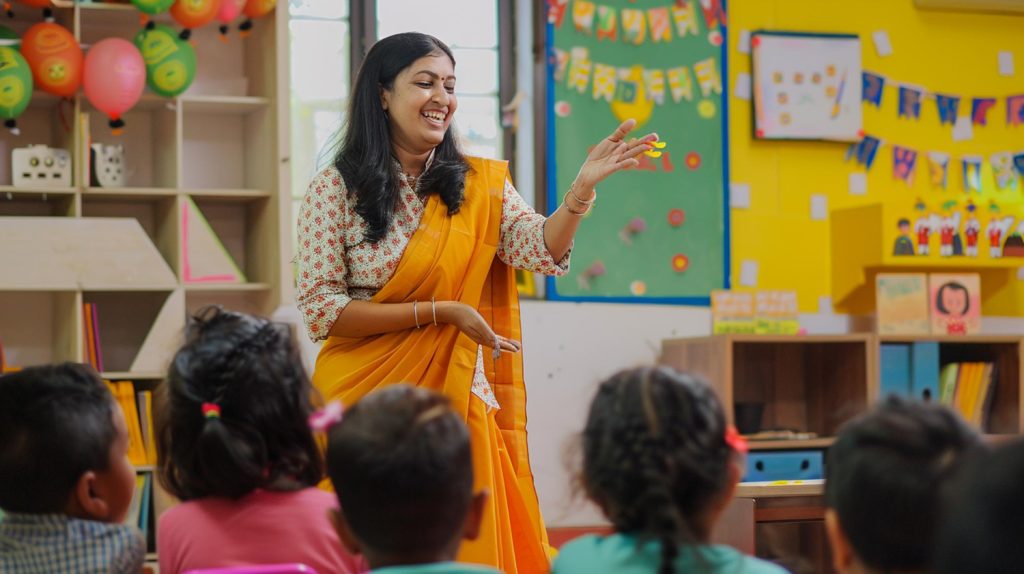
Choosing a high-quality preschool is critical to your child’s early childhood education. According to studies, a high-quality early childhood development program provides the foundation for your child’s future schooling. It reduces the likelihood of school dropouts and improves preparedness for school.
Furthermore, a high-quality preschool can help children develop cognitive and reading skills while also improving their social and emotional development.
If you are a parent of a young kid in India looking for a high-quality preschool, the sheer number of options might be confusing and overwhelming.
To assist you, we’ve compiled a list of key characteristics to look for in an excellent preschool.
Advantages of a Safe Learning Environment
- Improves learning outcomes: When children feel safe and secure, they are more likely to participate and learn effectively.
- Reduces absenteeism: Proper health measures lower the likelihood of illness, resulting in regular attendance.
- Building trust with parents: A well-maintained and safe playschool earns parents’ trust, which is critical to the school’s reputation.
1. Accessibility Implies Inclusive Infrastructure for Every Child.
Accessibility is more than just compliance; it symbolises a commitment to inclusive education. Ensure that school designs integrate:
- Ramps and lifts for wheelchair users.
- Braille signs and aural signals.
- Barrier-free toilets and railings.
- Wide hallways and doorways.
These features allow students with physical limitations to navigate campus independently, maintaining their dignity and safety at school.
| Aspect | Safety Guidelines |
| Building Design | Ensure that the structure is child-friendly, with no sharp edges or dangerous spots. |
| Play Areas | Play areas should have soft surfaces and be kept up properly to reduce the chance of accidents. |
| Classroom Layout | Classrooms should be large, well-ventilated, and filled with age-appropriate furnishings. |
| Safety Equipment | Install fire extinguishers, smoke detectors, and first-aid kits in easily accessible locations. |
2. Hygiene and Sanitation
Maintaining high hygiene standards is critical in preventing the spread of illnesses in playschools. Preschool fees in India frequently include charges for maintaining hygiene standards, which are an important consideration for parents.
- Regular Cleaning: Keep the premises, including classrooms, play spaces, and restrooms, clean and disinfected on a regular basis.
- Handwashing Stations: Place handwashing stations in easily accessible locations and urge youngsters to wash their hands frequently.
- Sanitary Restrooms: Restrooms should be clean, with child-friendly toilets and adequate sanitation facilities.
3. Health Screening and Emergency Preparedness
Routine health checkups and emergency preparedness are essential components of childcare services in India.
- Health Screening: Regular health screenings should be performed to assess the well-being of children. This may include daily temperature checks and frequent health examinations by a paediatrician.
- Emergency Drills: Practice regular fire drills and emergency evacuation procedures to prepare both staff and children for unexpected situations.
- First-Aid Training: Staff should be taught basic first aid and CPR so that they can respond quickly to medical situations.
4. Security Measures for Protecting Campuses
Strong access control and monitoring systems are critical to school safety and security.
- Make sure the complex walls and entry gates are secured
- Check if CCTV cameras cover all key areas
- Ensure guardrooms and ID-based entry are in place
- Look for emergency intercoms and alarm systems
These security measures help to prevent unauthorised access, protect children from external threats, and assist staff in handling emergencies.
5. Playground and Outdoor Safety Measures
Outdoor play is essential for early childhood development, but it must be accompanied by clear safety precautions. A good preschool ensures that the playground and outdoor areas are constructed, maintained, and supervised with the children’s safety in mind.
As a parent, keep an eye out for the following outdoor safety features:
- Fenced-in play areas with protective gates
- Separate zones for various age groups.
- Daily checks for broken or hazardous equipment.
- Active staff supervision at all times.
When intelligently built and appropriately monitored, outdoor areas may become safe locations for children to play, socialise, and develop motor skills with confidence.
6. Food Safety and Allergy Awareness
Preschools play an important role in ensuring that all children’s nutritional needs are satisfied in a safe and responsible manner. A strong emphasis on food safety and allergy knowledge is critical for safeguarding pupils from avoidable health risks during meals and snacks.
Start by enquiring how food is stored, prepared, and presented. All food handling should adhere to fundamental safety rules, such as sufficient refrigeration, clean preparation rooms, and sanitised equipment. Meals and snacks must be stored at appropriate temperatures and served in clean, child-friendly containers.
Equally crucial is how a preschool handles food allergies and sensitivities. Teachers and kitchen workers should be completely aware of each child’s dietary limitations and properly trained to avoid cross-contamination.
7. Child Development and Emotional Wellbeing
The safety of children in playschools extends beyond physical safety. Child development initiatives in India must also prioritize the emotional and psychological well-being of youngsters.
- Check if the preschool has clear anti-bullying measures in place
- Ensure trained counsellors are available for emotional support
- Look for regular communication and involvement opportunities for parents
Choosing a preschool entails more than just finding the right curriculum; it entails selecting an environment in which your child is truly safe, healthy, and cared for daily. A comprehensive preschool health and safety checklist allows families to properly assess the critical characteristics that support physical protection and emotional well-being. Every aspect is important, from safe entrances and hygiene practices to allergy guidelines and communication systems.